


If you’ve recently bought a 1930s property or are planning to update your current home, a 1930s house renovation offers the perfect opportunity to combine period charm with modern comfort.
1930s houses are some of the most popular properties in the UK. Built with generous room sizes, solid construction, bay windows and large gardens, they provide an excellent foundation for transformation. With the right design and expert workmanship, you can create a stylish, energy-efficient home while preserving the original features that make these properties so appealing.
At EveryTrade, we specialise in full home renovations, structural alterations, extensions and design-and-build services across Greater Manchester, Stockport, Cheshire and beyond. As a family-run building contractor founded in 2009, EveryTrade manages projects from concept to completion with in-house project management and a network of trusted trades.
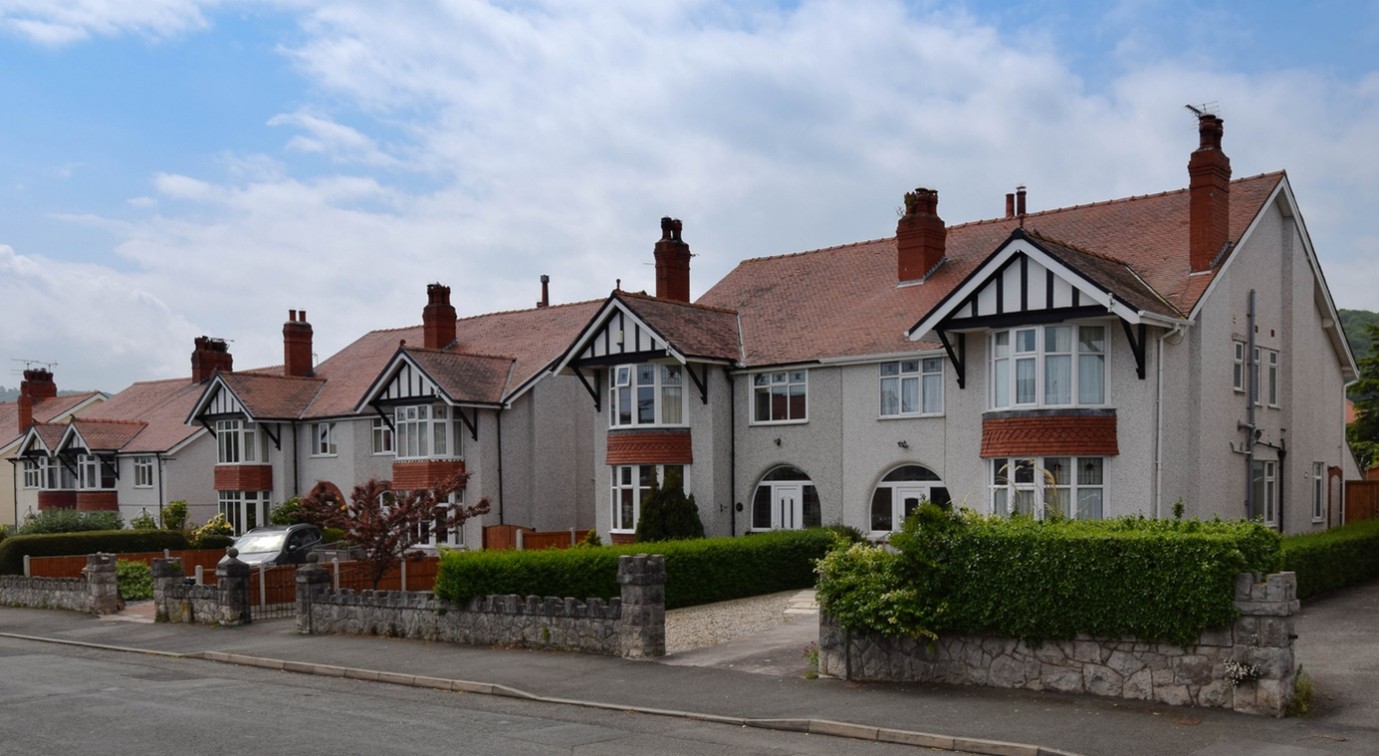
Before planning your renovation, it helps to confirm whether your property was built during the 1930s. While a title deed or local authority search will provide the most accurate answer, there are several tell-tale design features that can indicate your home dates from this era.
Common characteristics of a 1930s house include:
Many 1930s homes were built as part of the suburban expansion between the wars, particularly in areas around Manchester, Stockport and Cheshire. If your property has several of these features, there is a strong chance it is a 1930s home, and that means it has excellent renovation potential.
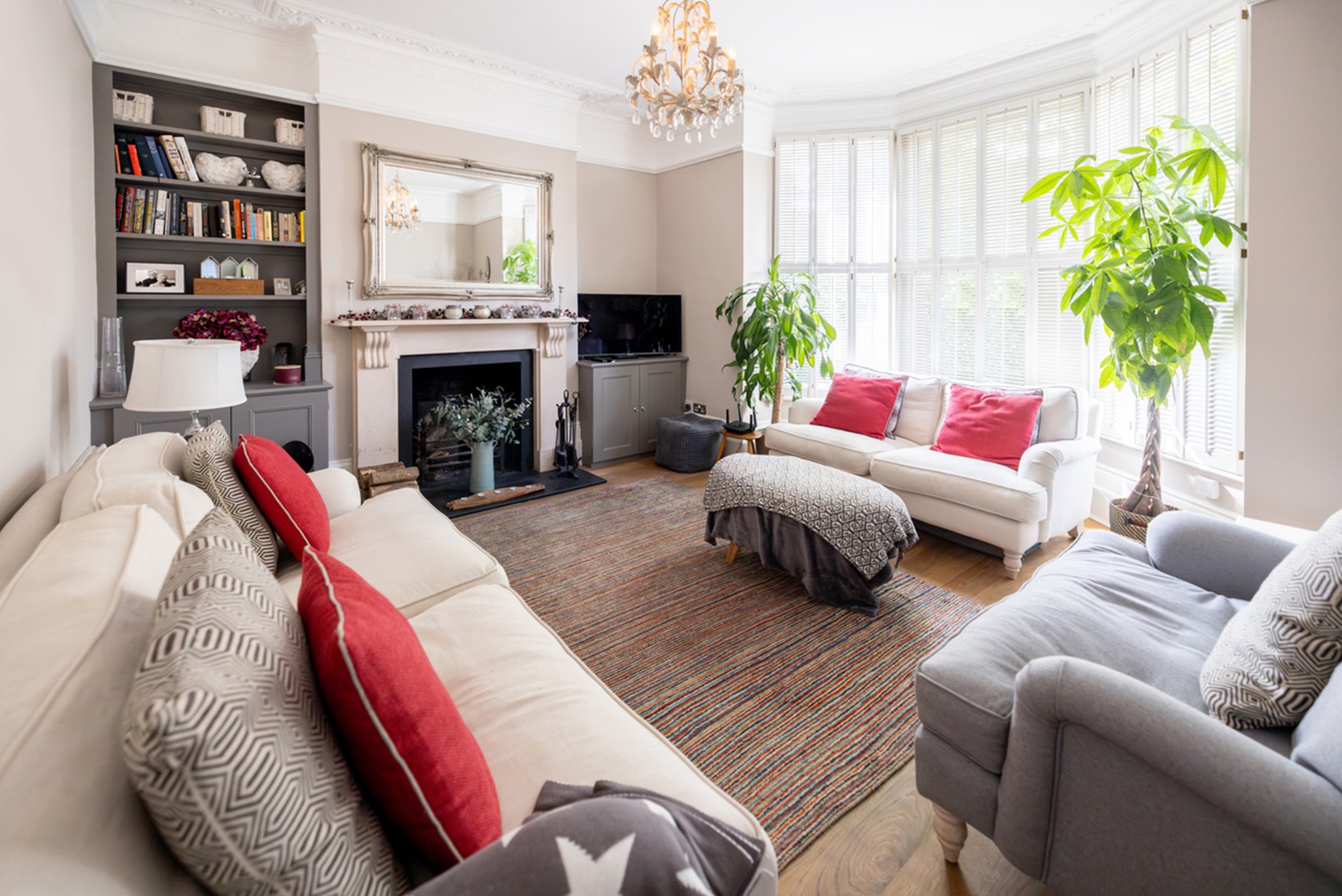
1930s homes continue to be among the most sought-after properties in the UK. They’re popular due to the fact they are usually very well-built and sturdy, as well as having a number of highly sought after features. They typically have spacious layouts, large bay windows, high ceilings, generous front and back gardens, solid brick construction and character details such as picture rails and original fireplaces, which people often desire in their properties.
While they were exceptionally well-built, many now require updating to improve insulation, layout and day-to-day functionality.
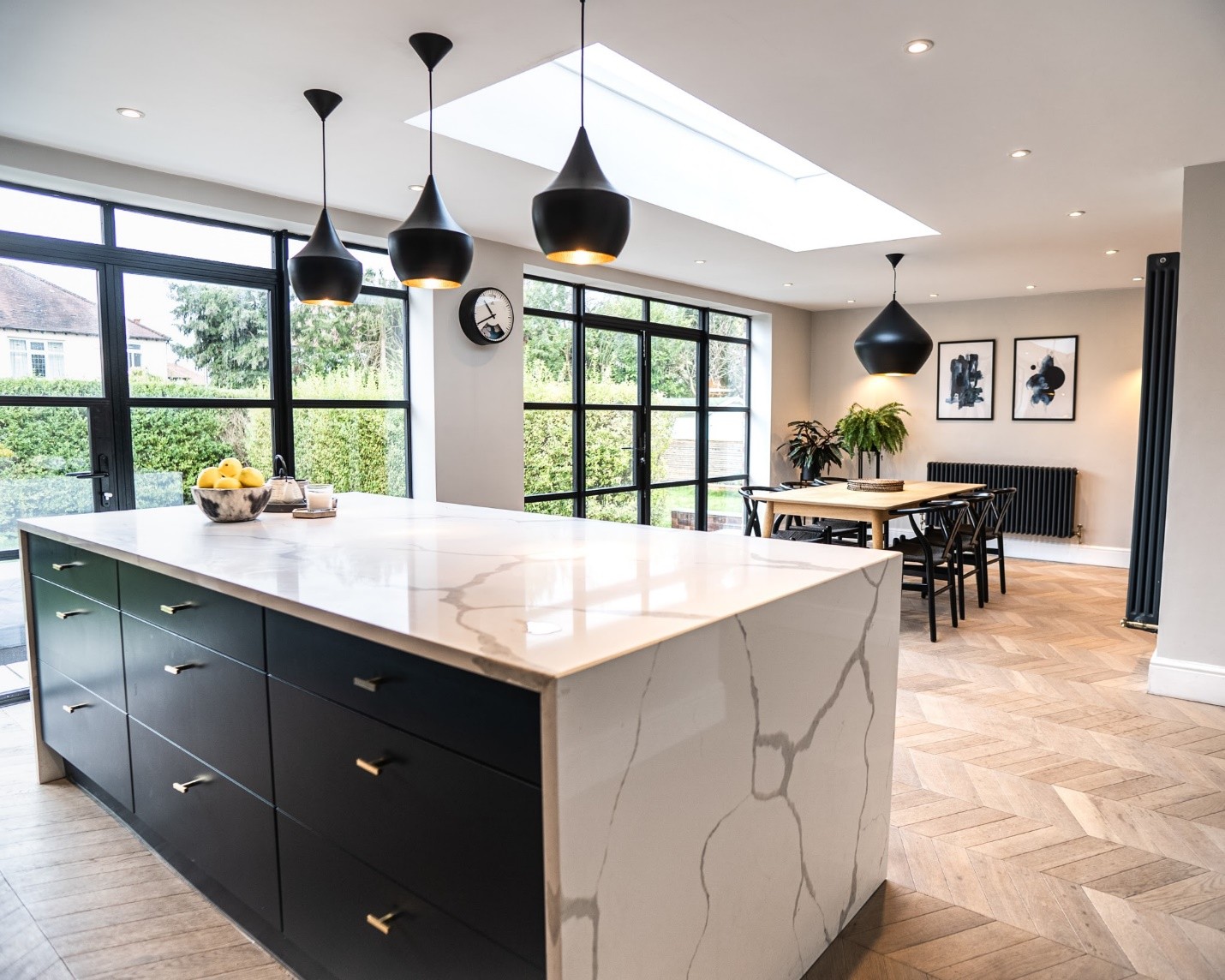
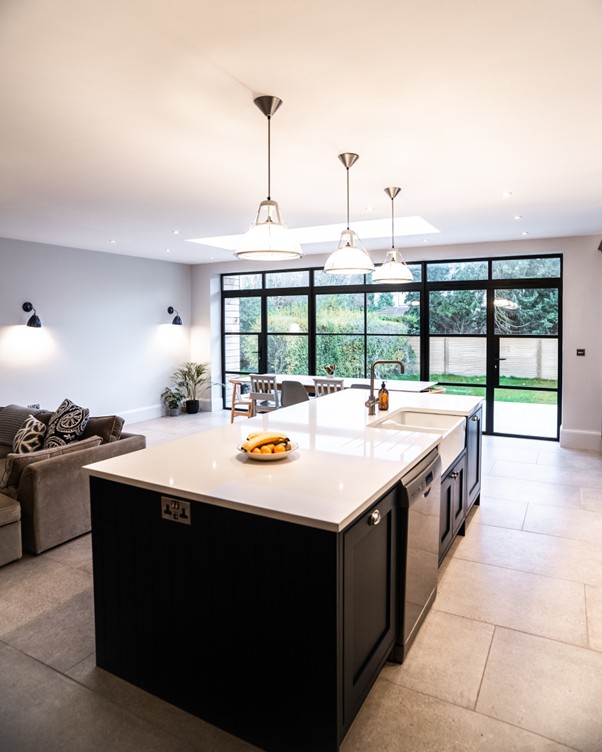
One of the most popular 1930s house renovation ideas is removing internal walls to create a large kitchen-diner. Many original 1930s homes have a separate kitchen, dining room and lounge. By opening up the rear of the property, you can create a bright, sociable family or hosting space. This can create a spacious kitchen and living area combined, which is very desirable in properties today.
Popular features include:
This renovation is ideal for modern family living and can significantly increase property value.
A rear extension is a natural addition to a 1930s property because these homes often have generous gardens which can be extended into.
Popular extension options include:
A well-designed extension can transform a dated home into a spacious, contemporary property while retaining the original front elevation. EveryTrade has experience building all kinds of extensions, and can advise you on what the best option for your home is, and if you will need planning permission for your desired extension.
A tip to remember is that most single-storey extensions under 3m typically don’t need planning permission, as they fall under permitted development rights. This could be a good way for you to add extra space and extend your home without all the hassle and paperwork that comes with applying for planning permission. For more detail on 3-meter house extensions, read our specialist guide.
One of the joys of a 1930s house renovation is uncovering and restoring original details. Features worth preserving include:
These period elements add warmth and character while balancing modern updates. They are also highly sought after features, and restoring these could add significant value to your property.
Older homes can be costly to heat, so improving energy performance is a key part of any 1930s house renovation. You should consider:
These upgrades improve comfort and make your home more energy-efficient, reducing long-term energy bills.
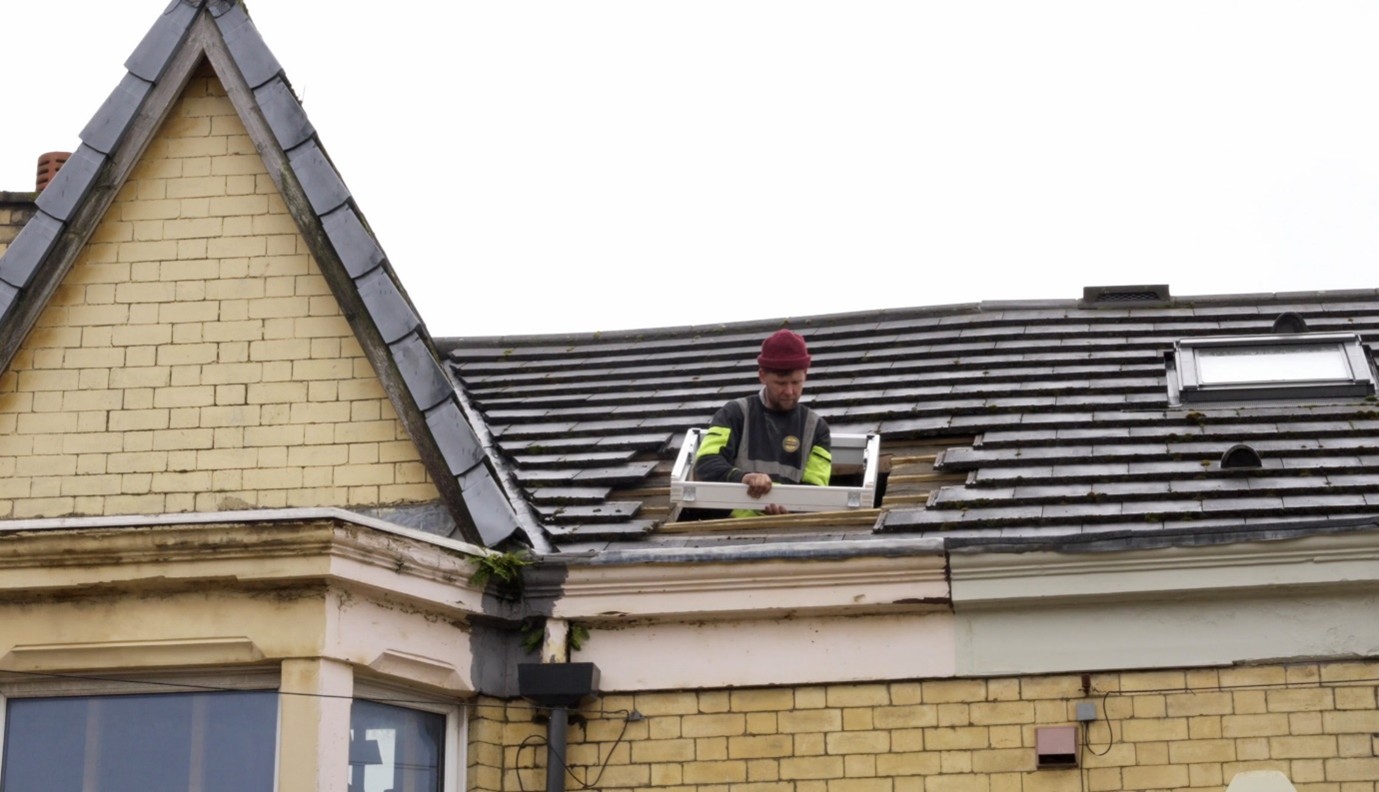
1930s houses typically have large roof spaces, making them ideal for loft conversions.
Adding a loft conversion can provide valuable extra space to your home. They’re an especially good option if you would like to add:
Especially if you don’t want to pay the added cost of a full-blown house extension. Dormer loft conversions are especially popular and add substantial usable floor area.
Structural alterations can dramatically improve flow and functionality. Popular changes include:
Reconfigure the layout to make it work for you. You can still enjoy all the benefits and original features, but reorganising the space to fit you and your lifestyle can make all the difference.
Updating the exterior can significantly enhance kerb appeal. Sometimes 1930s homes can have quite dated exteriors, with things like pebbledash being a popular back then as a cheap way to cover brickwork or improve weather protection. Nowadays, pebbledash is seen as dated, and over the years it may have weathered a look a little scruffy.
Other ideas to modernise the exterior of your 1930s home include:
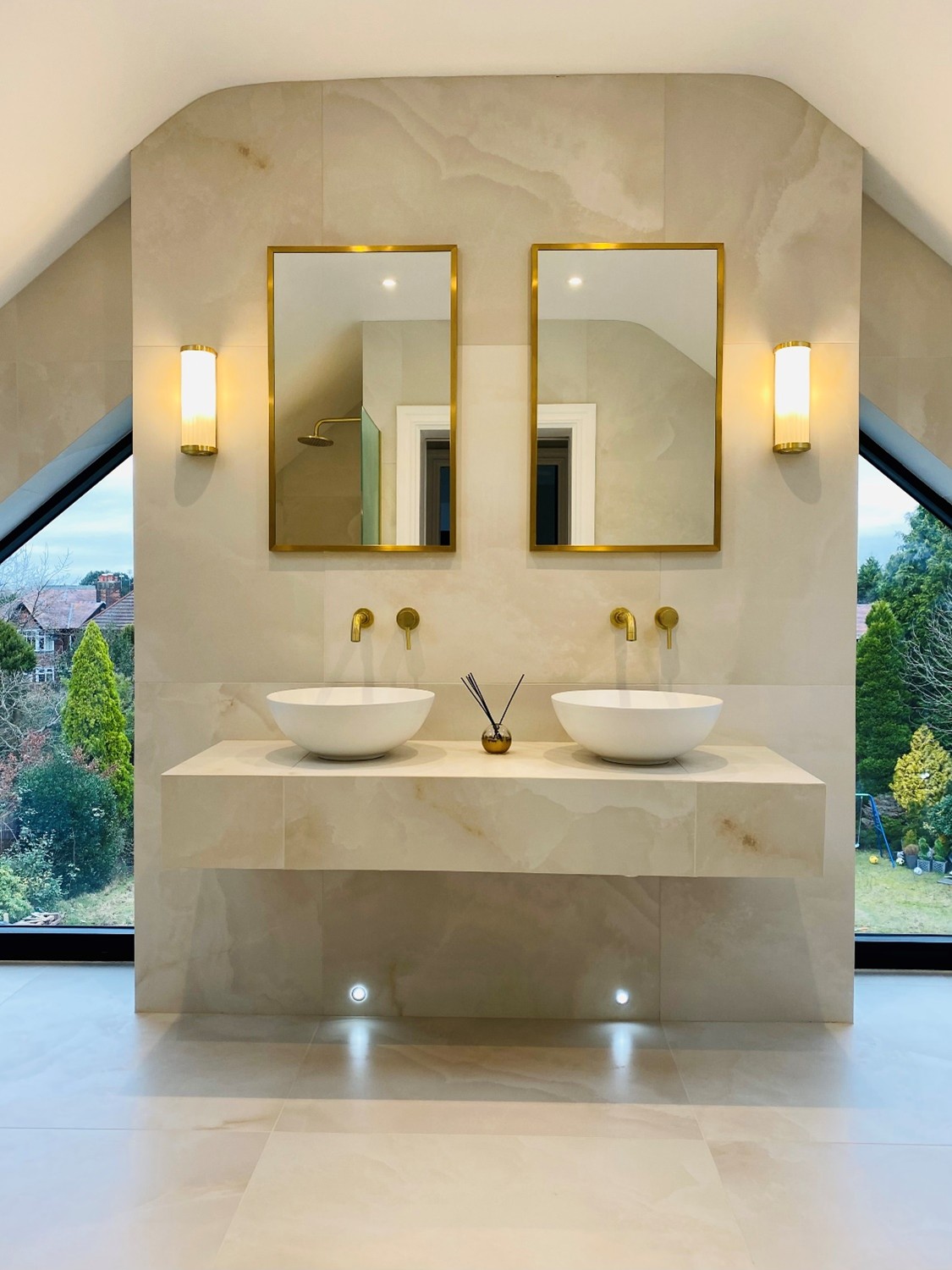
Outdated kitchens and bathrooms can make a property feel tired. If your 1930s property has an old kitchen or bathroom, this can not only look dated but be causing issues such as improper ventilation or old wiring that needs updating. Adding a new bathroom or kitchen can significantly increase the value of your property too, as a modern kitchen and bathroom is one thing many people look for when buying or renting a property.
Modern features to consider:
Whether planning permission is required depends on the work involved. Planning permission may be needed for:
Many projects fall under permitted development rights, but Building Regulations approval is usually still required. Also, if your home is in a conservation area, there can be extra rules applied to what renovations can be done on your property, so it is always best to check your local councils’ rules.
Costs vary depending on the scale of work. Typical budgets include:
The best way to understand your project costs is to request a tailored quotation. EveryTrade can provide free quotations for work, discussing with you your renovation ideas and advising you on the best possible option for you and your specific property and budget.
One of the most frequently asked questions homeowners have before starting a renovation is: what are the common problems with 1930s houses?
Although these properties are known for their solid construction and generous layouts, many are now approaching 90 years old and can suffer from age-related issues.
The most common problems with 1930s houses include:
Most of these issues are entirely manageable when identified early and addressed as part of a professional 1930s house renovation.
A detailed building survey and an experienced contractor will help you understand the condition of the property and plan the most cost-effective solutions.
EveryTrade is a trusted, family-run construction company providing comprehensive renovation and building services across Stockport, Manchester and Cheshire.
Why homeowners choose EveryTrade:
From structural alterations and extensions to kitchens, bathrooms and complete refurbishments, EveryTrade manages every stage under one roof.
We have many years of experience renovation properties throughout Manchester, Stockport and Cheshire. We specialist in period property renovation too, so we know how to effectively renovate a1930s house, and what to expect. For more expert tips on local period property renovation, read our recent blog.
A thoughtfully planned 1930s house renovation can unlock the full potential of your property. Whether you want to create an open-plan kitchen, extend into the garden, convert the loft or restore original features, there are countless 1930s house renovation ideas to suit your lifestyle and budget.
With expert design, careful planning and quality workmanship, your 1930s home can become a beautiful, efficient and highly functional space for modern living.
If you’re planning a renovation and want expert support from a trusted contractor, contact EveryTrade today. Our team can help you design, plan and deliver a stunning renovation that respects your home’s character while transforming the way you live.