

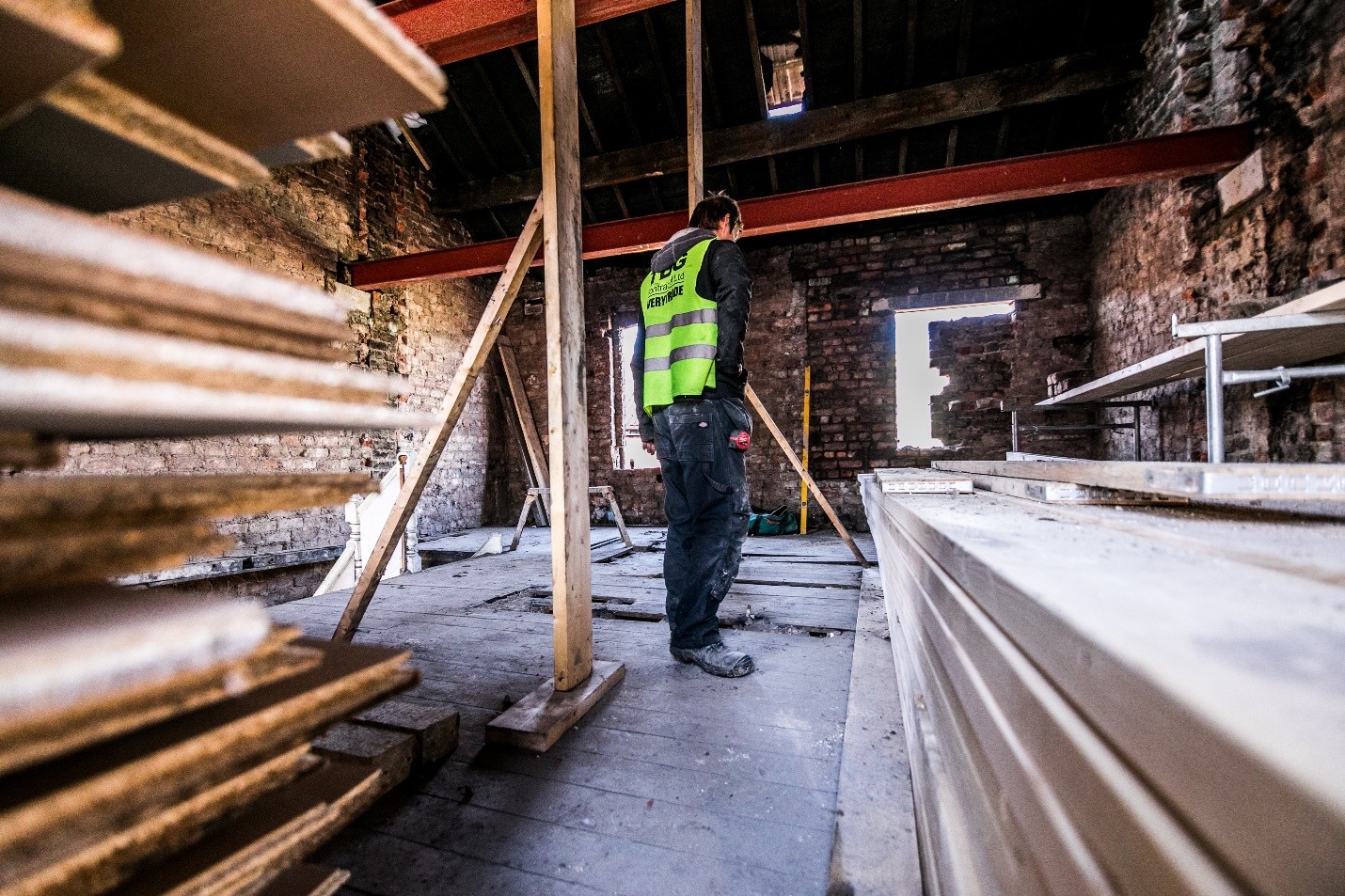
If you’ve been thinking about adding more space to your home without the stress of moving, a 3-meter house extension is one of the most popular, practical and cost-effective ways to do it. These extensions are ideal for creating bigger kitchens, open-plan living areas, home offices or simply giving your home the breathing room it needs.
What many homeowners don’t realise is that, in certain situations, a 3-meter extension can be built without planning permission, as long as it falls under permitted development rights. Understanding these rules makes the whole process smoother, quicker and far less daunting.
In this guide, we’ll break down what permitted development rights are, when a 3-meter extension qualifies, when it doesn’t, what you can expect the costs to look like, and how EveryTrade can help you design, build and manage the entire project from start to finish.
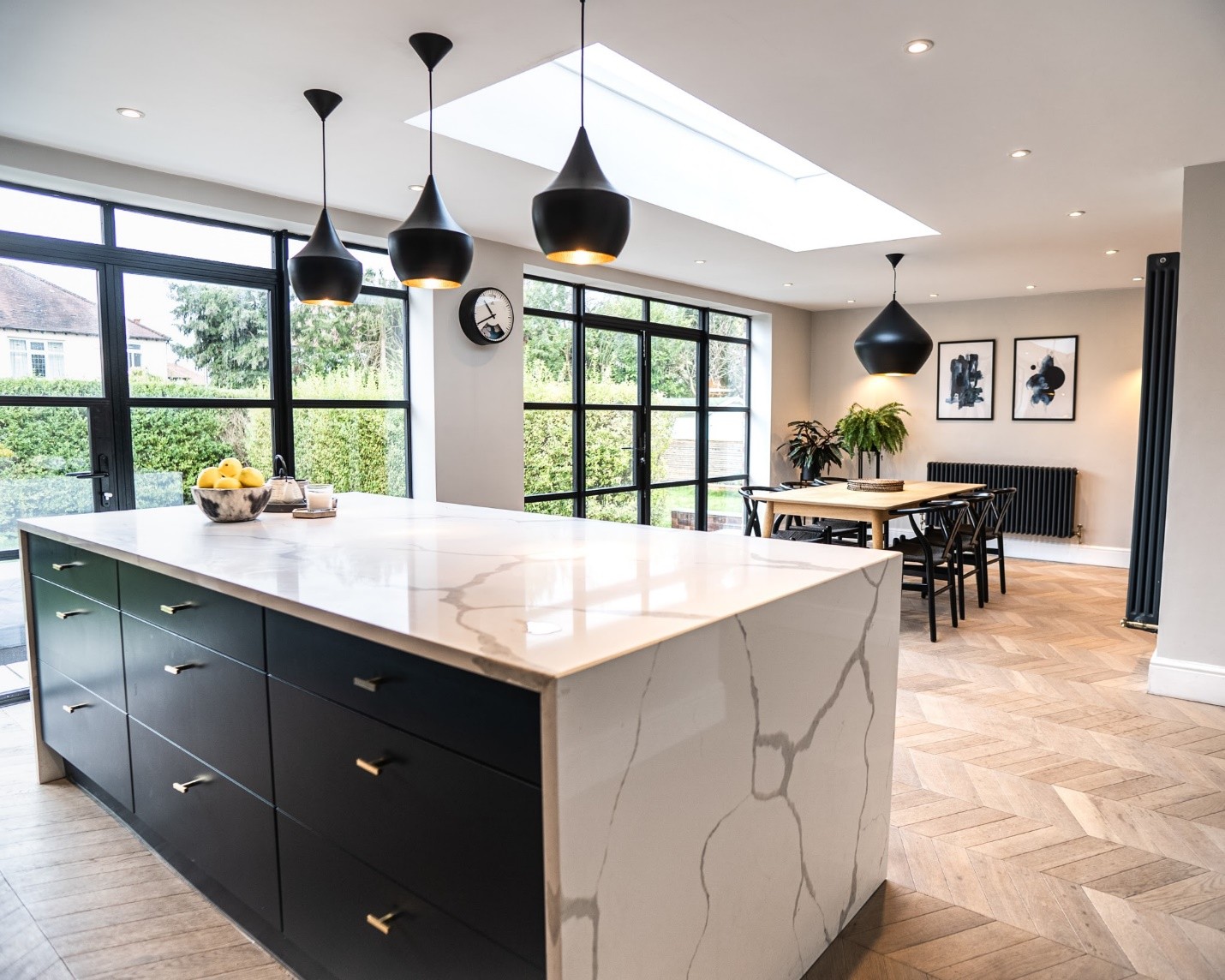
Permitted development rights (PDRs) are a set of rules that allow homeowners to carry out certain building works without needing to apply for full planning permission. These rights apply to most residential properties and were introduced to make smaller home improvements quicker and easier.
They cover a wide range of works, including extensions, as long as the project meets strict criteria relating to size, height, materials, location, and the design of your existing property.
If your extension falls within these rules, you can avoid the longer planning process and move ahead with construction sooner.
A standard single-storey rear extension up to 3 meters on a terraced or semi-detached property, or up to 4 meters on a detached property, typically qualifies under permitted development rights.
For your 3-meter house extension to comply, it must follow these key guidelines:
Side extensions and wrap-arounds fall under different rules and may require planning permission.
This is the most important rule for homeowners aiming to avoid planning permission.
This helps the extension blend with your current property.
Your extension (combined with previous works) must not cover more than half of the land around your original house.
If your project meets all of these criteria, it’s very likely that you can build your 3-meter extension without a planning application.
There are situations where PDRs are restricted or removed entirely. You may need planning permission if:
Even if you’re unsure whether your 3-meter house extension qualifies, EveryTrade can advise you. Our team can assess your property, explain what you’re allowed to do, and help you obtain a Lawful Development Certificate if needed (a helpful document confirming your extension is compliant).
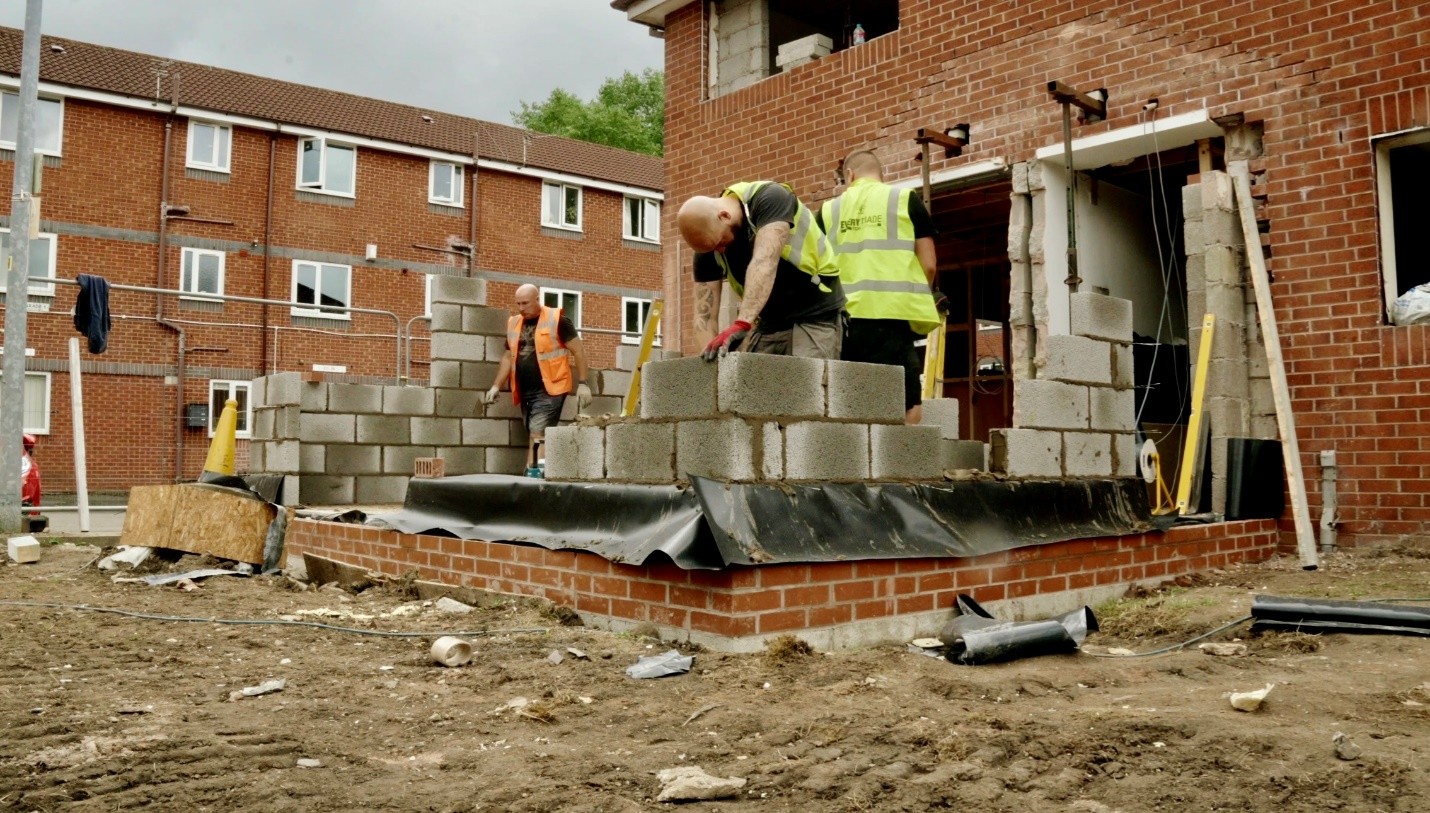

Costs can vary depending on your design choices, the size of the space, the level of finish you want, and whether you’re adding structural features such as bi-fold doors, roof lanterns or underfloor heating.
As a general guide, a 3-meter single-storey rear extension, much like any other project, has quite a broad price range and every project is different. Factors like access, materials, plumbing and electrics can affect the final cost.
For an accurate figure tailored to your home and plans, the best option is to get in touch with EveryTrade directly. We can provide a detailed, transparent quote based on your design and requirements.
EveryTrade makes the process of extending your home simple, stress-free and fully managed from start to finish. Instead of juggling architects, builders, engineers and separate contractors, EveryTrade handles everything for you as a single design-and-build company.
Our goal is to turn your idea into a beautifully finished space, without the confusion or stress that home improvement projects often bring.
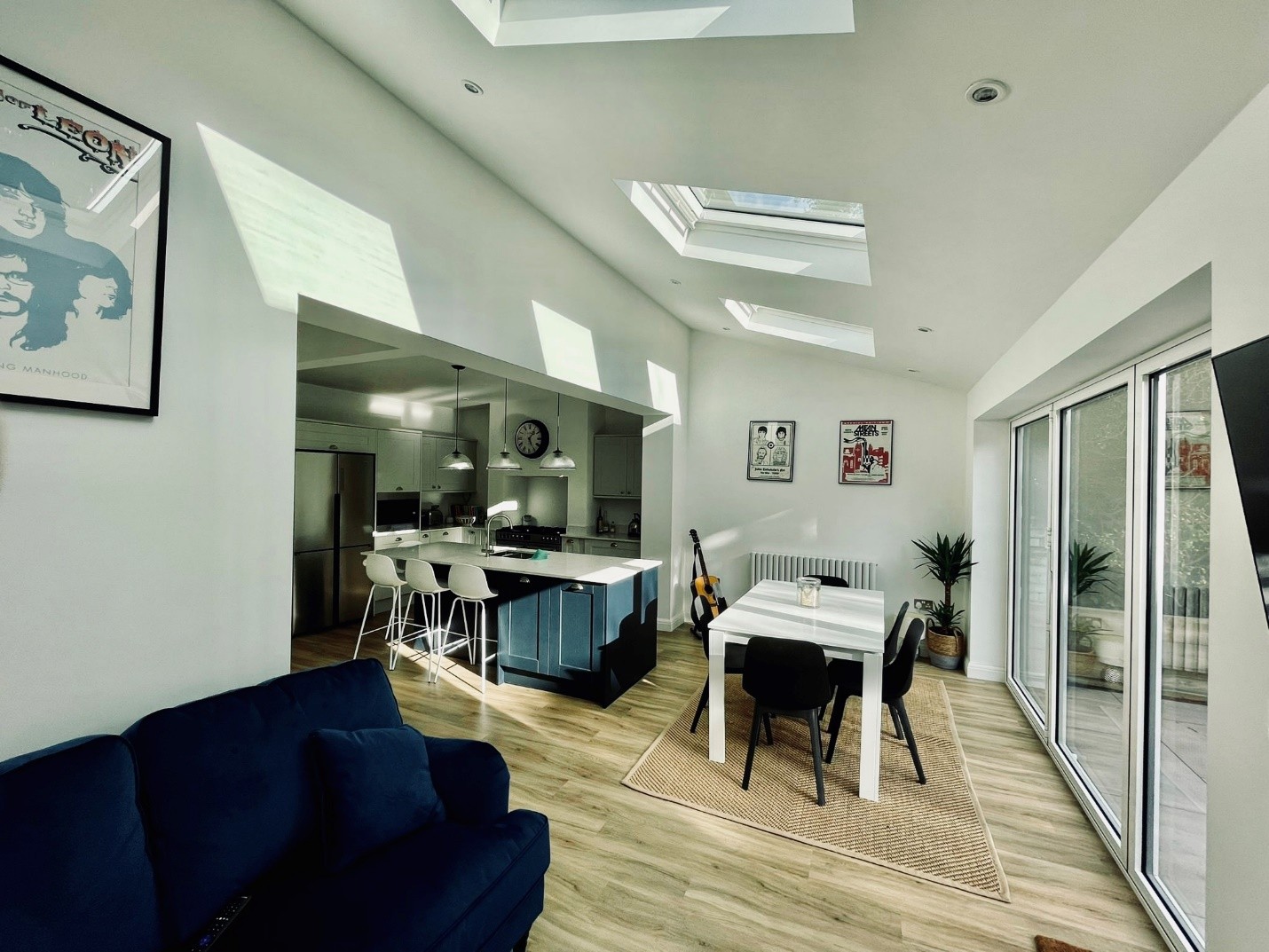
If you’re considering extending your home and want expert advice on design, planning permission and build options, EveryTrade is here to help.
We’ll guide you on what’s possible under permitted development, provide drawings and structural plans, and deliver a complete building service, from concept right through to completion.
Get in touch today for a personalised quote or to discuss your ideas. Call us on 0161 464 7177, email us on info@tdgcontracts.com or use the contact form or request a consultation via our website.
Your bigger, better home could be closer than you think.