

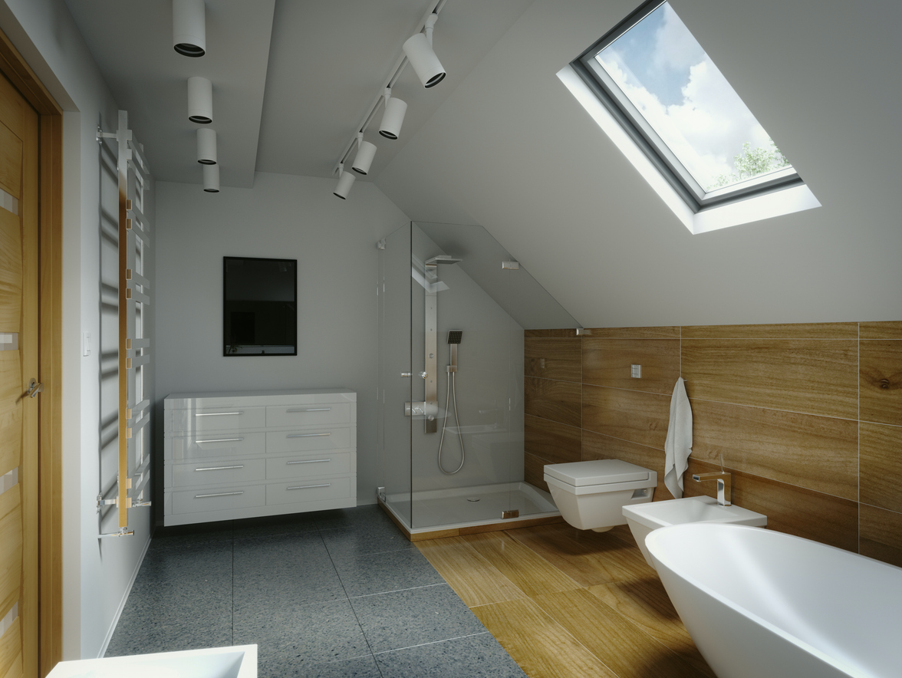
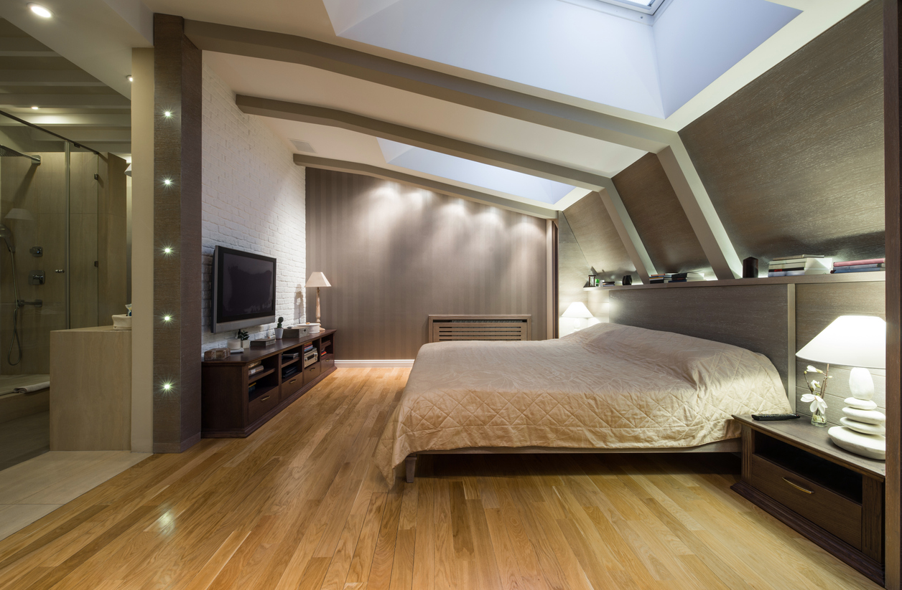
If you are running out of space in your home and have an unused loft, converting it could seem like a simple solution. But due to costs or the thought of disruption going on in your home, you may be thinking is a loft conversion worth it?
For many homeowners, a loft conversion is worth it. A loft conversion can create an additional bedroom, bathroom, office or living space without increasing your home’s footprint, while potentially increasing the property’s value, too. Compared to a full house extension, it can be a lot more cost effective too. However, whether it’s the right investment for you depends on the cost of the conversion, your property, how you’ll use the space and how much value it actually adds.
In this article, we’ll look at loft conversion costs, whether a loft conversion adds value and the benefits of a loft conversion to help you decide if converting your loft is worth it.
A loft conversion is worth considering if you need more living space but don’t want to move house and your loft is suitable for a conversion. If you’re intending on staying in the property long enough to benefit from the investment, it can also be a great way to add value to your home for the future.
Unlike with a home extension, with a loft conversion you are making use of space that is already within the footprint of your home. This is particularly beneficial for those who don’t have a large garden to build into, or don’t want to lose any of their outdoor space.
There is more than one way to determine whether a loft conversion is worth it though. While adding value to your home is great, the extra space it gives you could mean a lot more. Converting your loft could mean you don’t have to move house as your family grows, or it could mean you can make it into a comfortable office to work from home so you can spend more time with your family and enjoy more flexibility in your life. Adding a bedroom with an ensuite could completely change the practicality of your home and give you some privacy and peace and quiet away from everyone else.
Before you decide on a loft conversion, it’s worth getting a professional to assess the space. They’ll be able to tell you what is feasible with the space you have and how to make the best use out of it. EveryTrade are experts in loft conversions across Greater Manchester, Stockport and Cheshire and can provide you with a professional quote and assessment, while advising you on the best options available for your property.
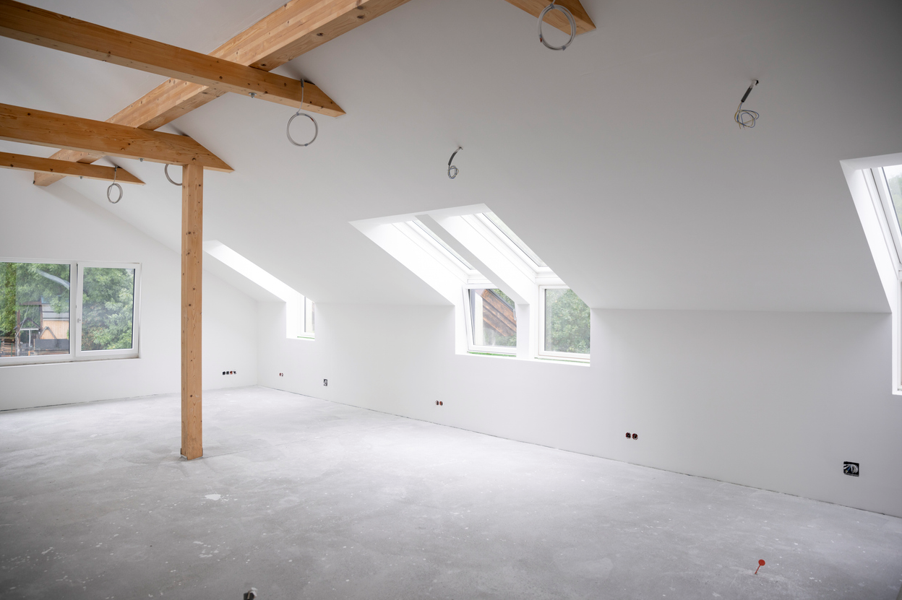
One of the biggest benefits of a loft conversion for homeowners, is the potential value it can add to their home. Even though it is an investment, in the long run it can increase your property price by more than what you paid for the loft conversion as a whole, which can be a big positive if you ever do choose to sell.
There is no single percentage that a loft conversion will increase your property price by. How much value a loft conversion adds will depend on where you live, the type of property, the type of loft conversion and quality of the build and what it adds to the house.
If it creates another usable bedroom, this can be particularly valuable as it can move your property into a different category for buyers who are willing to spend more for a property with more bedrooms. If it your loft conversion adds a bedroom and another bathroom, this can increase the value further.
The best way to gauge how much value a loft conversion will add to your property is to look at houses for sale in your area. For example, if a similar three-bedroom property nearby is selling for around £350,000 but a similar four-bedroom property goes for an average of £425,000, this could mean a loft conversion is worth it for the added value.
It is also worth remembering that value isn’t just about the resale cost. If spending that money on your home will give you a space that works better for you and avoids the cost and stress of moving, it has a value of its own.
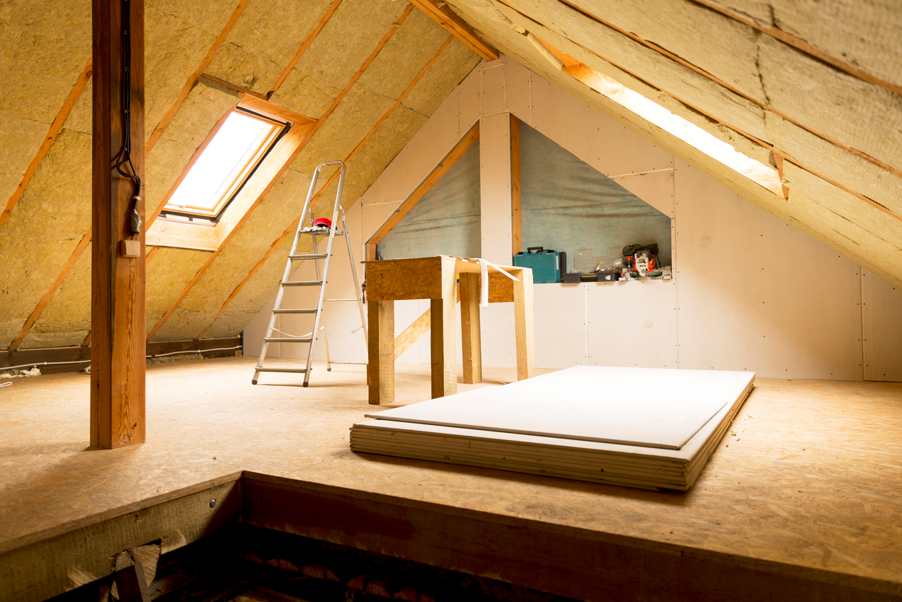
There isn’t a set price for a loft conversion. The cost of a loft conversion depends on what the space is like to start with, what type of loft conversion you choose, and what you want to convert it into.
A relatively straightforward Velux-style loft conversion will generally cost less than a dormer, hip-to-gable or mansard loft conversion that all require more significant alterations to the existing roof.
Other factors that can affect how much your loft conversion costs include:
We’ve reviewed the costs in more detail in our guide to how much loft conversions costs, including a breakdown of the typical process of each main type of loft conversion.
We would always recommend getting a professional quote based on your actual property, rather than relying on an average cost found online. This is because some lofts may look the same but one could require very different structural work to the other.
There are many benefits to a loft conversion that may make it worth it for you. We’ve listed some of the main ones below.
Add more useable space
This is an obvious one. A loft conversion can be a great way to make use of unused space in your property and add an extra bedroom, office, bathroom, living space, playroom or workshop.
You won’t lose any of your garden
Building an extension usually involves building into your existing outside space, so if you have a garden, you may have to sacrifice some of it to add space to your house. A loft conversion makes use of space already within the footprint of your home, working upwards. This allows you to gain valuable floor space without having to extend the footprint of your home.
Avoid the hassle and cost of moving house
If you love your home and don’t want to move, but you need the extra space, a loft conversion could be the ideal solution. Moving house is a long process that involves finding a new home you like and can afford, potentially changing location or moving out of the area you like, paying estate agent fees, conveyancing, Stamp Duty and the costs of moving and decorating a new property. If you love your home and where you live, converting the loft could be an attractive and less costly alternative.
It can make your home more appealing and add value
A well-designed and built loft conversion that adds an extra bedroom, bathroom or both can enhance the appeal and bump up the asking price if you do ever choose to sell.
Design the space around you and your life
One of the benefits of having an empty space to renovate is the fact you can design is completely around you and what will work best for your life. You can add rooflights, dormer windows for more headspace, fitted storage and an ensuite. An experience loft conversion specialist can make clever use of the space you have and incorporate what you want based on your needs.
While there are plenty of benefits to a loft conversion, it is important to consider some of the downside too, so you are fully prepared.
It’s an investment: There are a significant number of upfront costs to consider with a loft conversion, which you may have to save for.
Disruption: Although much of the work takes place above your main living areas, there will still be noise, dust and tradespeople coming and going during construction. This is why it’s important to get a trusted loft conversion specialist who can manage the entire project and minimise disruption.
You need space for stairs: One point that’s sometimes overlooked is that you’ll lose some space on the floor below to accommodate a compliant staircase.
Not every loft is straightforward to convert: Roof structure, pitch, available height and the position of existing services can make some projects more complicated and expensive than others.
None of these automatically makes a loft conversion a bad idea. They simply need to be understood before deciding whether the project is right for your property and budget.
Many homes can have their lofts converted, but some lofts do lend themselves to it more than others. If you get a professional to come out and assess your loft, they will typically look at head height, roof pitch, available floor area and the structure of the roof. You’ll also need to consider where a new staircase can go without compromising the rooms below.
Older homes may have traditional roof structures that provide relatively open loft spaces, whereas some newer properties use roof trusses that can require more substantial structural alterations.
Low head height doesn’t necessarily rule out a conversion either. Depending on the property, options such as dormers or alterations to the roof structure may create the additional usable space required. The important thing is to establish what’s realistically achievable before getting too attached to a particular layout. This is why a professional assessment is a required and is a great starting point.
Not necessarily. Many loft conversions can be completed under Permitted Development Rights, provided it stays within certain limits and meets the relevant conditions. There are some additional restrictions for some properties and locations, such as those in conservation areas, so you shouldn’t just assume permission isn’t required. It’s always best to check with your local council first.
You can read more about the rules in our guide to planning permission for loft conversions.
The Planning Portal’s loft conversion guidance also explains the planning rules homeowners should consider. Planning permission and Building Regulations are separate issues. Even when planning permission isn’t needed, converting a loft into habitable space will normally require Building Regulations approval covering areas such as structural stability, stairs, insulation and fire safety. You can find further information through GOV.UK’s Building Regulations guidance.
There are circumstances where we’d suggest considering other options before committing to a conversion. It may not be the right choice if:
This is why getting professional advice early is so useful. Understanding what’s possible, how much it is likely to cost and what you’ll actually gain makes it much easier to judge whether the project represents good value for you.
For many homeowners, yes, a loft conversion can be well worth the investment for what it offers them. If you have a suitable loft, need more space and don’t want to sacrifice your garden or move home, converting it can make much better use of a part of the property that’s often sitting empty. A well-designed conversion can also increase the appeal and potential value of your home.
But the key word is well-designed. The best loft conversions aren’t simply about squeezing another room beneath the roof. They consider head height, natural light, storage, staircase positioning and how the new floor connects with the rest of the house.
EveryTrade provides complete loft conversion services across Greater Manchester, from helping you understand what’s possible through to completing the build and finishing the new space. We’re a family-run business that is trusted by homeowners all over Manchester, Stockport and Cheshire, with a 5-star Google review rating. Our customers are at the heart of everything we do, and we’re dedicated to providing excellent craftmanship, value, and a high-quality finish at the best possible price.
If you’re considering converting your loft, get in touch with our team to discuss your property and find out what could be achieved.