

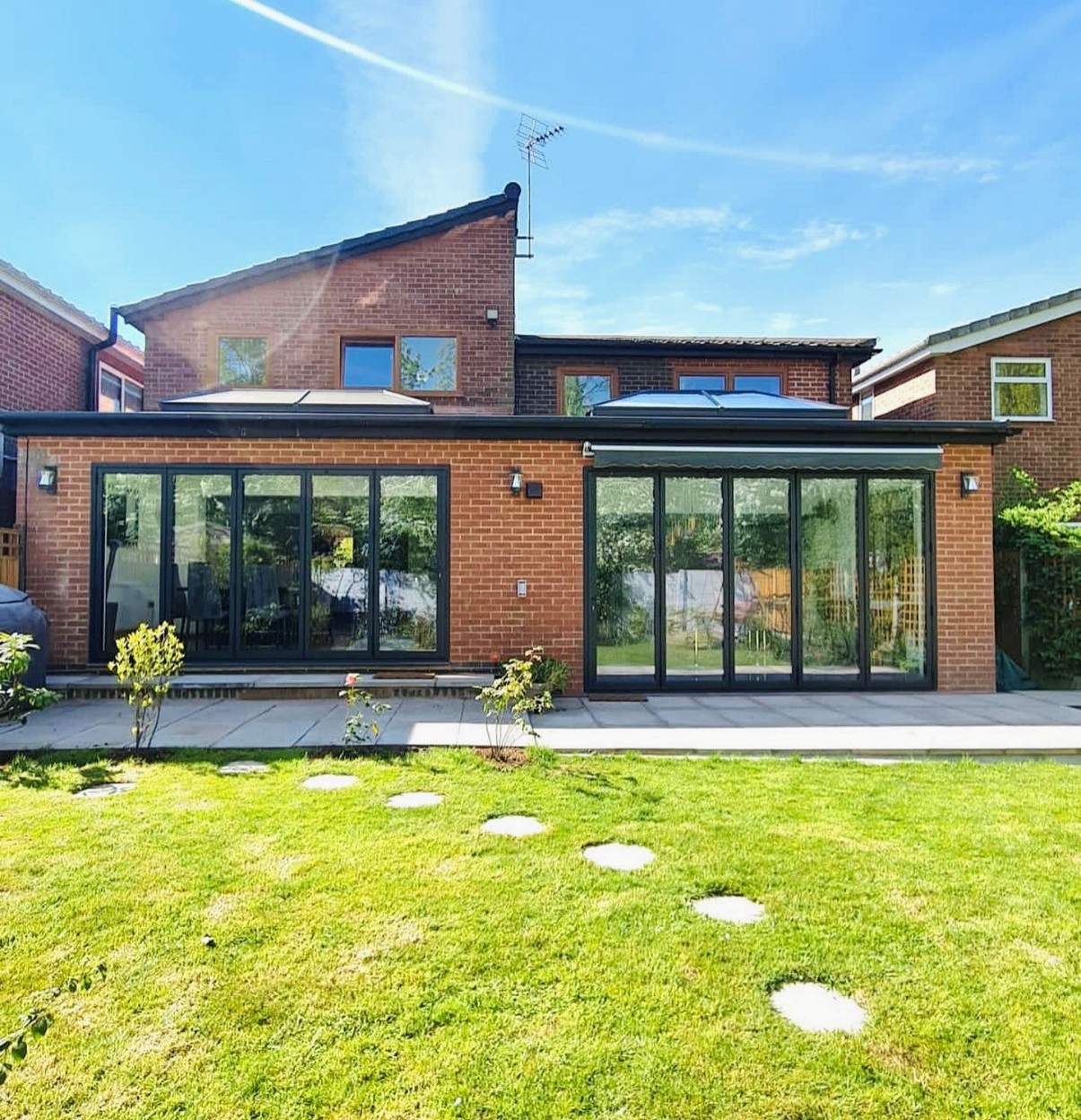
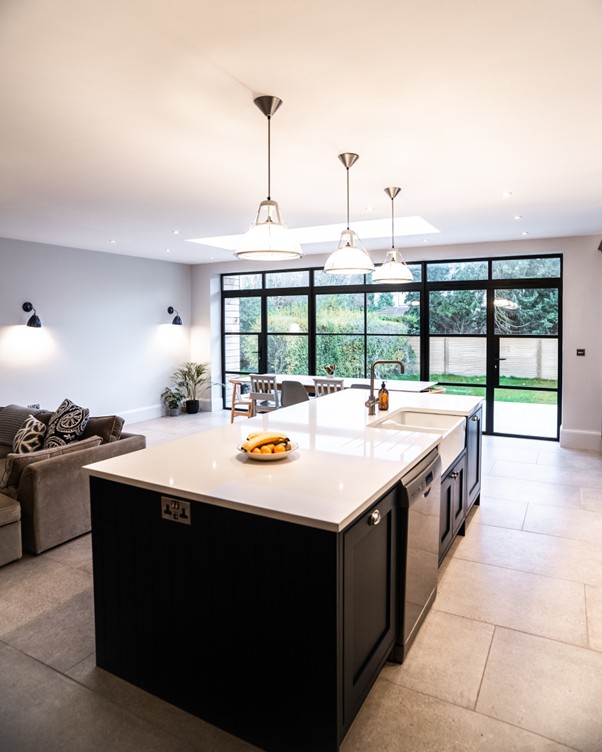
House extensions are one of the most popular ways to create extra living space without having to move house. There are such a wide range of different types of extensions and costs can vary massively. If you’re considering a house extension and have no idea where to start, you may well be wondering how much does an extension cost, and what is the right house extension for me?
The truth is, no two extensions are the same. Every house varies depending on many factors, and potential hidden issues can occur which can make one house extension more expensive than a similar sized one on a similar house. The best way to get an accurate house extension cost is to get a quote from a trusted, local builder who specialises in home extensions, such as EveryTrade.
While the exact cost may vary, in this article we want to explain some of the basics around extensions and major factors that can affect the cost to help you budget more realistically and confidently. At EveryTrade, we’ve completed extensions of all shapes and sizes across Greater Manchester, Stockport and Cheshire. Read on to find out how much your house extension in Manchester could cost.
In 2026, a standard house extension costs around £2000 – £35000 per square metre for the building phase. The overall price will vary considerably depending on the size, layout complexity, number of storeys, material choices and architectural details you require. Below is a general guide of the average house extension cost based on the type of extension, but these figures are just a general guideline and can differ:
| Extension type | Typical cost |
| Small rear extension | £20,000–£35,000 |
| Single storey extension | £30,000–£60,000 |
| Double storey extension | £50,000–£100,000+ |
| Side extension | £30,000–£60,000 |
| Wraparound extension | £60,000–£120,000+ |
Higher specification or more complex builds can cost considerably more. The best way to get an accurate quote based on the extension you want, your home and your specific requirements is to get a quote from a local tradesperson.
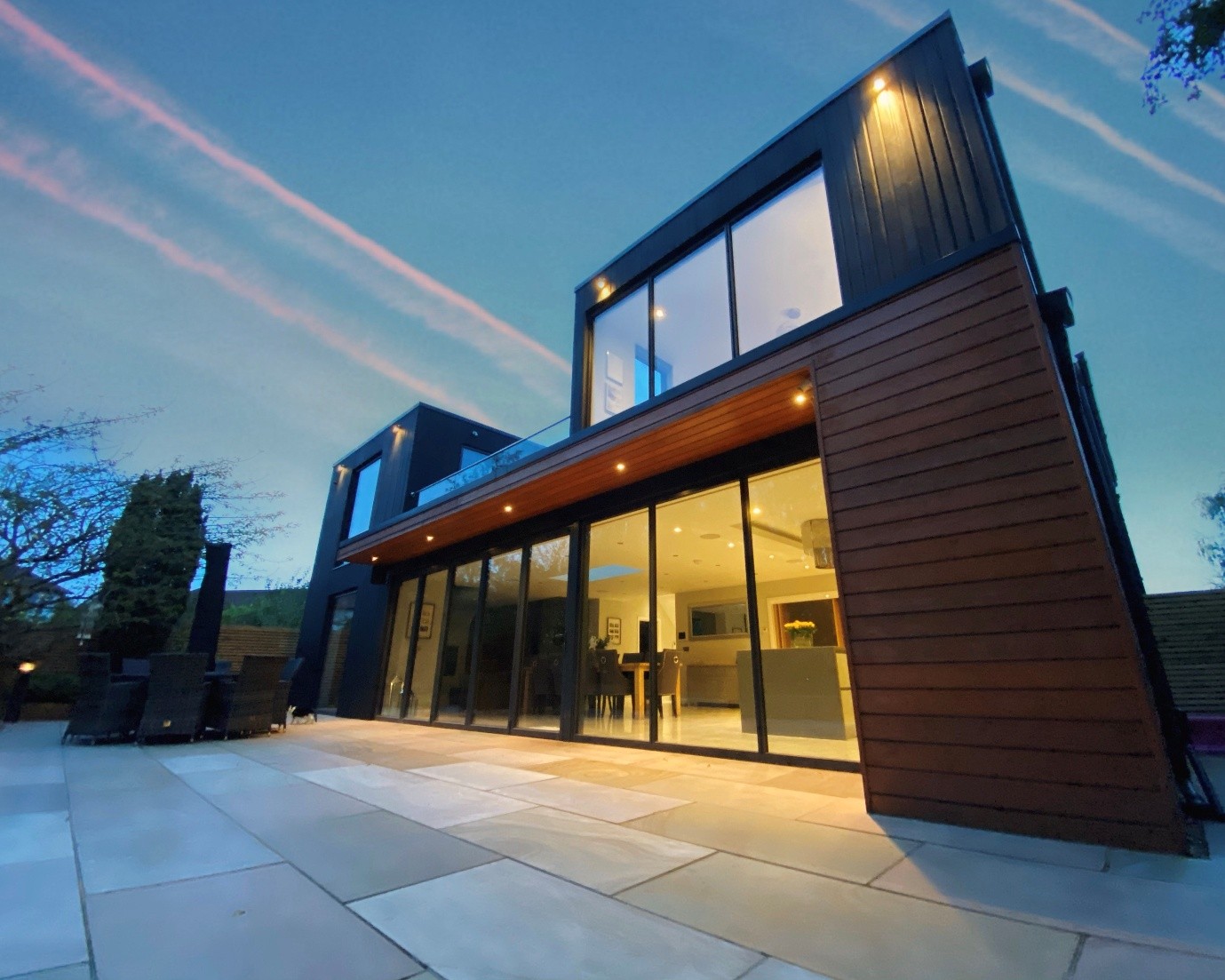
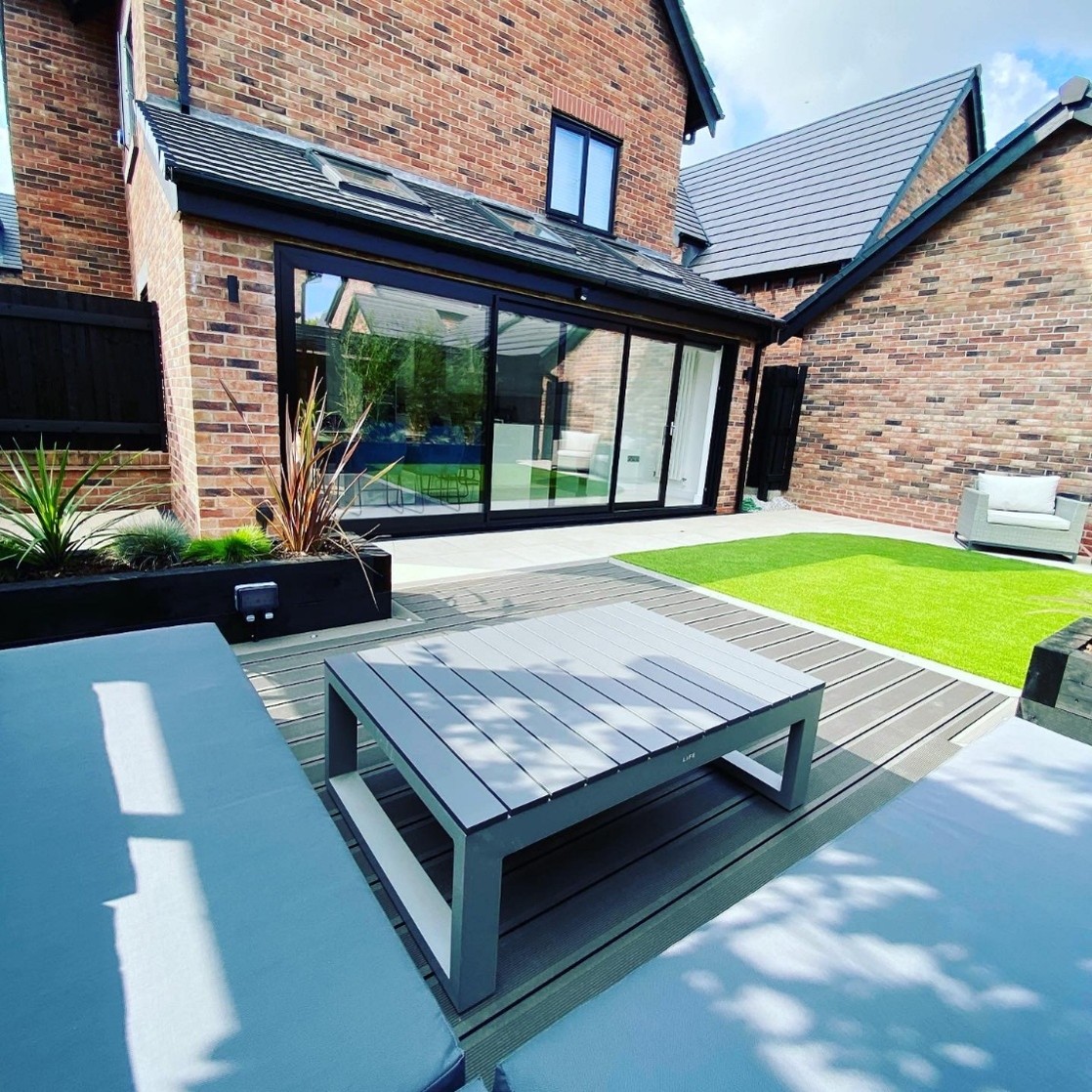
The type of extension you choose for you house will be one of the main factors that influences the overall cost of the extension. Factors such as size, layout, structural complexity and specification all play a role, but understanding each type of extension and typical price ranges for these can help you set a realistic budget. Below we’ve explained what some of the most common extension types are, their average costs and the benefits of each one.
A single-storey extension is one of the most popular and cost-effective types of extensions and a great way to increase the size of your home. They’re ideal for creating a larger open-plan kitchen or kitchen diner, adding more living areas or home offices, and are a great option for growing families.
In 2026, the average single-storey extension in Manchester costs between £30,000 and £60,000, although larger extension or those with more premium or high-spec finishes can cost more. They’re usually built at the rear or sometimes the side of the property.
As they only require one level of construction, single-storey extensions are generally the simplest and quickest type of extension to choose. Usually, they can fall under permitted development rights too, which means you may not need planning permission. However, specific rules apply to permitted development extensions, and it’s worth doing more research into whether you’ll need planning permission for your home extension.
If you’re looking to add valuable living space to your home without the hassle and cost of moving house, a single storey extension often offers a good balance of affordability, practicality and long-term value.
Double-storey extensions actually often represent better value for money. While it may cost more overall, when you consider the additional space it creates for the added cost, it’s much more cost-efficient. This is because you are building two floors at once, so many of the major costs such as foundations and roofing are only needed the once and are spread across a much larger floor area.
Typical double-storey extensions costs between £50,000 and £100,000+, depending on size, layout and specification. Although the overall investment is higher, the cost per square metre is lower than a single storey extension. This makes it a great option if you require significant extra space.
Double-storey extensions are ideal for creating larger kitchens and living areas downstairs while adding an extra bedroom, bathroom or home office upstairs. Perfect for growing families who want to remain in their current home for many years. They can add significant value onto the house too, if you ever do wish to sell.
Rear extensions, as the name implies, extend out of the rear of the house into your garden. They’re probably one of the most versatile extensions as they work well on the majority of property types. These are particularly popular for homeowners wanting to create a larger kitchen, dining areas or open-plan family spaces.
Depending on the size of the extension and your property, some rear extensions may be built under permitted development rights, although this will depend on factors such as the dimensions of the extension and whether your home has previously been extended. It’s always worth seeking professional advice before work begins.
Costs vary according to size, but most rear extensions fall within the same price range as other single or double storey extensions. Additional features such as large sliding or bi-fold doors, roof lanterns or skylights can increase costs but also allow for a bright, lighter and more contemporary space which makes the most of the garden.
Rear extensions are an excellent choice if your property had a large outdoor space, especially if largely unused, and you want to improve the flow of your home without significantly altering its appearance from the front.
A wraparound extension essentially combines a rear extension with a side return extension to create one large extension that wraps around the back corner of the property.
This is typically the most expensive type of house extension, due to the added structural works and complexity, with projects often costing £60,000 to £120,000 or more, depending on the size and specification. However, it is also one of the most transformative to a home.
Wraparound extensions can completely redesign the ground floor layout, replacing several smaller rooms with one large open-plan kitchen, dining and living area. They are particularly popular in older terraced and semi-detached homes where homeowners want to create modern family living spaces while retaining the character of the original property.
Although construction takes longer than a standard single storey extension, the result can feel like an entirely new home and may significantly enhance both everyday living and the property’s market appeal. They’re a great choice if you really love your home and are happy to invest a significant amount to transform it and make it work for you for many years to come.
Side return extensions are especially popular in Victorian and Edwardian terraced homes, where a narrow alleyway often runs alongside the property. Although this unused space may seem relatively small, enclosing it can dramatically improve the layout of the ground floor and add valuable extra space to existing rooms.
Rather than simply making a kitchen larger, side return extensions often transform long, narrow rooms into bright, open-plan living spaces that feel significantly more spacious. Many homeowners choose to incorporate roof lanterns or glazed roofs to maximise natural light.
Because these projects usually involve structural alterations and careful integration with the existing building, costs can vary depending on complexity. However, for period properties where moving internal walls would otherwise be difficult, a side return extension often offers exceptional value by making much better use of existing space.
Kitchen extensions nowadays are an extremely popular home improvement project. Spacious, open-plan living spaces and large kitchens with islands and dining areas are becoming increasingly sought-after, often placing the kitchen at the heart of the home.
The overall cost of your kitchen extension depends on the size, construction work required and the kitchen itself. While the actual extension part is a significant part of the budget, you also need to consider the costs of kitchen units, worktops, appliances, plumbing, electrical work, flooring, worktops and more.
A high-quality fitted kitchen can add anywhere from £10,000 – £40,000+ more onto the overall cost of the project. For a more detailed breakdown of how much a kitchen extension costs, read our recent kitchen renovation costs guide.
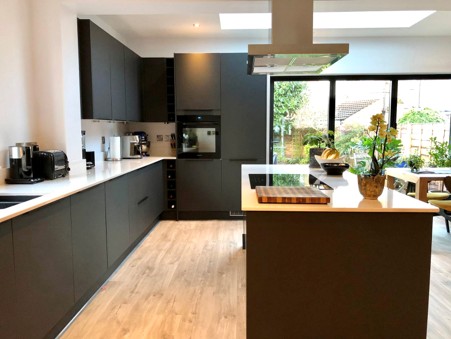
No two extensions are the same, which is why quotes can vary significantly. While size is one of the biggest factors, several other elements can have a major impact on the final price.
The size of the extension: Generally, the larger the extension, the higher the overall cost. However, bigger projects can often work out cheaper per square metre, as some costs are spread across a larger build.
Design complexity: Simple, rectangular extensions are usually the most cost-effective. Features such as unusual layouts, large roof lanterns or skylights or extensive glazing can all increase construction costs.
Foundations and ground conditions: If your property has difficult ground conditions, nearby trees or existing drains, additional groundwork may be required, increasing both costs and build time.
Structural alterations: Removing load-bearing walls or creating large open-plan spaces often requires steel beams (RSJs) and structural engineering. The more structural work involved, the greater the cost.
Materials and finishes: Your choice of materials can make a significant difference to the overall budget. Brickwork, cladding, roofing materials, windows, flooring and interior finishes all vary widely in price.
Kitchens and bathrooms: If your extension includes a new kitchen, utility room or bathroom, remember to budget for the fixtures and fittings as well as the building work. Premium kitchens and bathrooms can add tens of thousands of pounds to a project.
Planning and professional fees: Don’t forget to factor in additional costs such as architectural drawings, structural engineer calculations, planning application fees (where required), building regulations approval and party wall surveyor fees (if applicable.
Top tip: Setting a contingency budget for any unexpected issues or costs that arise can help ensure your extensions stays on track and you’re prepared for any unforeseen problems. It’s a good idea to have around 10-15% contingency budget.
The exact time a house extension will take depends on the size and complexity of your extension. Every home and every extension are different. Most home extensions take anywhere between three weeks and six months to build once work begins. It’s important to remember that before the construction even starts, you need to allow time for design, planning and approval stages to complete first.
Typical build times by extension type:
Keep in mind that factors such as bad weather, material availability and lead times and changes to design or unforeseen ground conditions can all affect how long it takes.
At EveryTrade, we provide clear project timelines from the very start, keeping you informed throughout the build to help ensure that your extension is built on time and on budget, with minimal disruption to your home.
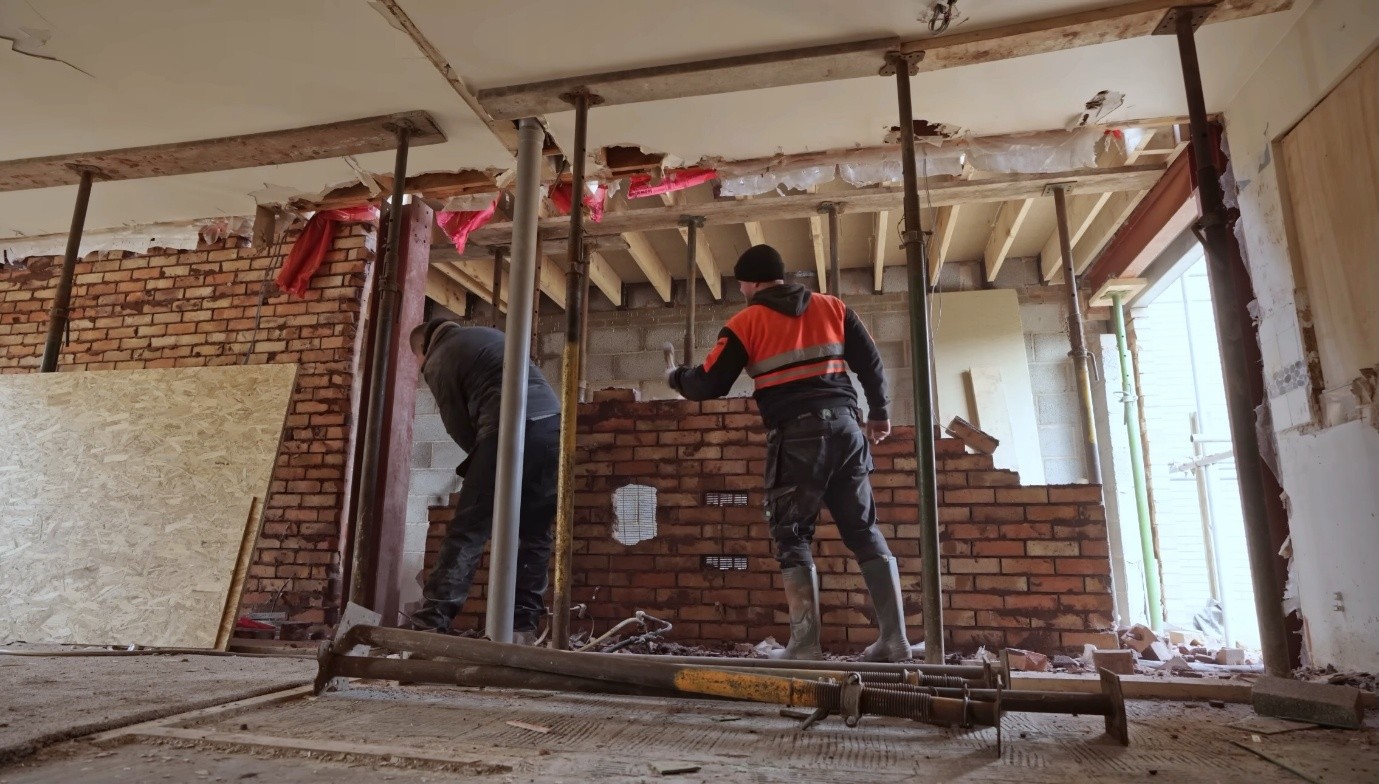
EveryTrade specialise in building extensions of all types and sizes for homes in Manchester, Stockport and Cheshire. With decades of experience in construction, you can rest assured you’re working with a team of trusted local experts. We design and build extensions from concept to completion. This includes architectural drawings, laying groundworks, construction, plumbing, electrics, fitting kitchens or bathrooms and all the final finishing touches.
Your house extension project will be managed by our experienced in-house project managers, who organise everything and all trades for you, ensuring your project runs smoothly and efficiently. We pride ourselves on employing a dedicated team of highly skilled tradesmen who are committed to giving the highest standards of quality and professionalism.
All of our projects come with a 12-month workmanship guarantee, as standard, to give you that added peace of mind. We go out of our way to ensure your project is completed on time, on budget and to your exact specifications, which is why we’re a 5-star rated company.
Get in touch with our team today to get a personalised quote and find out how much a house extension costs for your home.

How much does a house extension cost in Manchester?
The cost of a house extension depends on its size, design and specification. As a general guide, most homeowners can expect to pay between £30,000 and £60,000 for a typical single storey extension, while larger or double storey extensions can cost £50,000 to £100,000 or more. Obtaining a detailed, personalised quote from a trusted extension specialist, like EveryTrade, is the best way to understand the cost of your specific home extension in Manchester.
How much does a 20m² extension cost?
A 20m² extension typically costs between £30,000 and £50,000, depending on the quality of materials, location, structural requirements and internal finishes. Features such as bi-fold doors, sky lights or a new kitchen will increase the overall budget.
How much does a house extension cost per square metre?
In 2026, a typical house extension costs between £1,500 and £3000 per square metre for a standard specification. Premium materials, bespoke designs or complex structural work can increase costs to £3,000+ per square metre or more.
Is it cheaper to build up or build out?
In many cases, a double storey extension offers better value per square metre because the cost of foundations and roofing is shared across two floors. However, the best option depends on your property, available space, planning considerations and budget.
Do I need planning permission for a house extension?
Not always. Many house extensions can be built under permitted development rights, provided they meet certain size and design criteria. Larger extensions, properties in conservation areas or listed buildings may require planning permission. It’s always worth seeking professional advice before starting your project.
How long does a house extension take?
Most extensions take between 10 and 24 weeks to build, depending on their size and complexity. Before construction begins, you’ll also need to allow time for design work, planning (where required) and Building Regulations approval.
Does a house extension add value?
A well-designed extension can significantly increase both your living space and your property’s value. While the amount varies depending on the type of extension and your local property market, extensions are often one of the most effective home improvements for increasing long-term value.
What’s included in the cost of a house extension?
A typical quotation usually includes the main construction work, but this can vary between builders. Additional costs may include architectural drawings, planning fees, Building Regulations approval, structural engineer calculations, kitchens, bathrooms, flooring, decoration and landscaping. Always check exactly what’s included before accepting a quotation. At EveryTrade, we offer an end-to-end service, which includes everything from concept to completion.
How can I reduce the cost of an extension?
Planning ahead is one of the best ways to control costs. Finalising your design before work starts, keeping the layout simple, choosing experienced builders and setting aside a contingency budget can all help prevent unexpected expenses and keep your project on track.
Why choose EveryTrade for your house extension?
At EveryTrade, we deliver high-quality house extensions across Manchester, Stockport and Cheshire, helping homeowners create more space without the stress of moving. From the initial design through to the final finish, our experienced team provides transparent quotations, expert project management and quality workmanship to ensure your extension is completed to the highest standard.