


If you’re considering extending your home, you may well be wondering, “Do I need planning permission for an extension?” The good news is that many extensions do not require formal planning permission, as long as they fall under permitted development rights. However, depends on the size, location, and type of extension you want to build.
In this guide, we explain everything you need to know about planning permission for extensions, what counts as permitted development rights, when you do need to apply, and how to avoid costly mistakes.
Planning permission is formal approval from your local authority that is needed for significant building work, such as extensions and other major alterations to your home. It ensures the proposed work meets national and local planning standards.
This is in place to ensure that any changes made or developments fit local policies, design standards and do not negatively impact the area. You must apply for planning permission through your local council’s planning department before work starts.
It is a legal requirement, so carrying out work without it can lead to enforcement action. If your project needs planning permission and you do the work without getting planning permission first, you can be served an ‘enforcement notice’ ordering you to undo all the work.
You can apply for planning permission through your local council; find yours here.
There are several reasons why you may need planning permission, including:
If you’re unsure, you should contact your local planning authority (LPA) or ask EveryTrade for a planning pre-application evaluation.
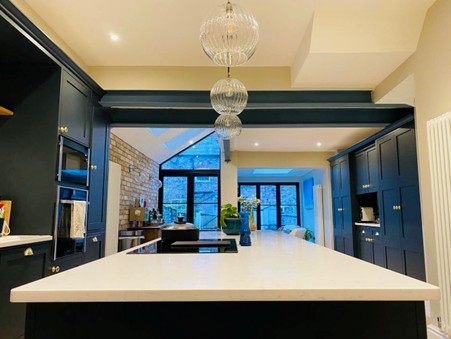
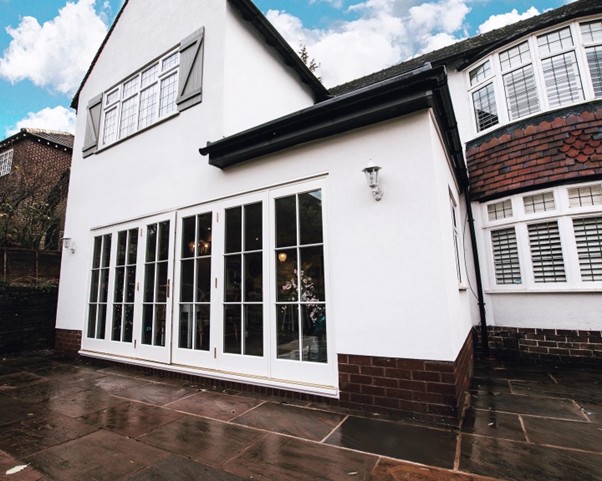
Some building projects do not require planning permission; this is usually if it falls under “permitted development rights”. Projects that usually fall under permitted development rights are improvements or additions you can make to your home under national planning rules, so you don’t have to submit a full planning application to the local authority.
If you are considering an extension and want to ensure it falls under permitted development rights, so you do not have to apply for planning permission for your extension, you need to ensure it complies with the following:
Permitted development extensions must not result in the total ground area covered by buildings exceeding 50% of your property’s curtilage, excluding the original main house. The extension cannot be higher than the existing house’s roof ridge, and where the extension comes within two metres of the boundary, the height at the eaves cannot exceed three metres.
These can extend up to 4m for detached homes or 3m for terraced/semi-detached houses. The work cannot include:
The materials used on any exterior work must also be of a similar appearance to those on the exterior of the existing house, and the work cannot include exterior cladding.
Loft conversions are usually covered under permitted development rights as long as they meet certain guidelines, such as:
These are typical permitted development conditions, but exceptions apply, especially in conservation areas. It’s always best to check with your local authority before starting any works to check if you need planning permission for your extension. We’ve written a full guide to permitted development extensions that explains everything you need to know about them and the rules that apply in more detail.
Ready to get started on your extension? EveryTrade’s expert surveyors can check your project for permitted development compliance.
Here’s a quick checklist to help you decide “Do I need planning permission for an extension?”
If the answer to any of these suggests the development is outside permitted rights, you’ll likely need planning permission.
Building without the required planning permission can lead to:
That’s why it’s better, and often cheaper, to check first.
At EveryTrade, we offer expertise in:
Our experienced team will help answer your question: Do I need planning permission for an extension? and deliver a solution tailored to your property.
Contact EveryTrade today for a free consultation and avoid costly planning mistakes.
Most conservatories fall under permitted development, but size and location matter.
No, permitted development means you don’t need to apply for planning permission, but still must meet certain conditions.
It’s a formal submission to your council that includes plans and supporting documents for approval.
Now that you have read this blog, we hope you have a better understanding of whether you need planning permission for an extension. Remember:
If you want peace of mind and professional support from design to construction, EveryTrade can make your extension project smooth, efficient, and compliant.
We’re specialists in designing and building extensions, managing the entire process from start to finish. We can design the extension of your dreams and even ensure it is built within permitted development rights. Get in touch today to book your free quote.