

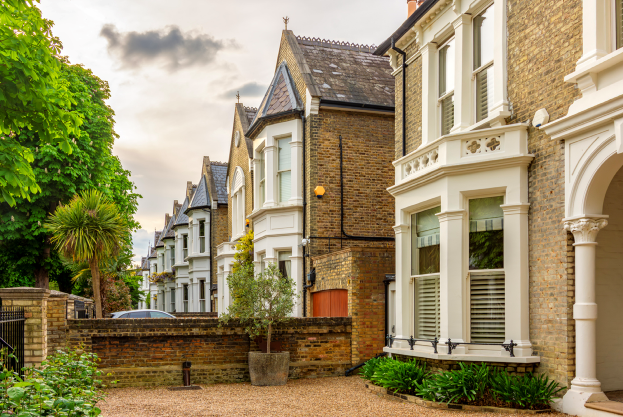
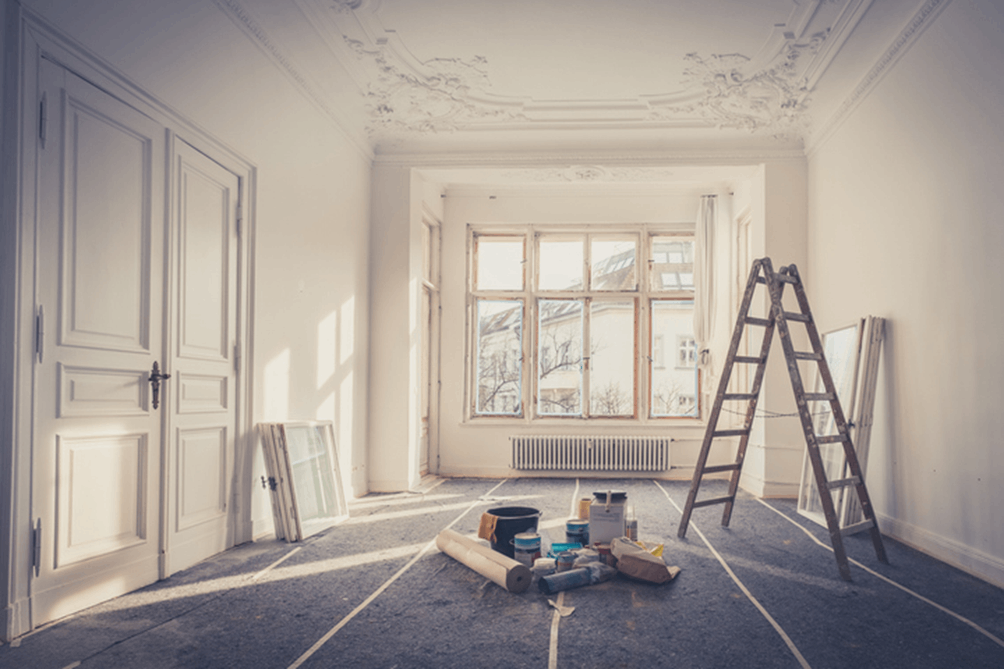
Renovating a period property is one of the most rewarding ways to transform a home, but it also comes with unique challenges. From preserving original features and potential conservation requirements to meeting modern building standards, a successful local period property renovation requires expertise, planning, and the right team.
At EveryTrade, we’ve delivered high-quality renovations across the Northwest, combining traditional craftsmanship with modern construction techniques to achieve exceptional results.
In this guide, we share expert tips to help you get your period renovation right, first time.
A period property typically refers to a home built before 1919, including:
These homes are known and well sought after for their character features, such as:
However, they often require careful renovation to improve energy efficiency, layout, and structural integrity.
The UK, including places in the Northwest like Manchester, Liverpool and Cheshire, is full of period properties. One thing people love about a period property is that it has character, something many people look for when buying a home. Lots of people love the period features, like the ones listed above, which can be expensive to recreate in more modern properties.
You may also have heard people refer to period properties as ‘solid homes’ or having ‘good bones’, as they have been built to withstand the tests of time. This has a lot of truth to it, because during the Georgian, Victorian and Edwardian eras, for example, good quality building materials and land were much more readily available, so period properties tend to have larger rooms, more space and a good build quality, which includes thick brick or stone walls. This often means period properties can stand the test of time, providing a sturdy home for many years to come.
Choosing a contractor with local experience is critical when undertaking a local period property renovation.
Here’s why:
As a family-run contractor operating across the Manchester, Stockport and Cheshire, EveryTrade provides a full-service, “all trades under one roof” approach, removing the need to coordinate multiple contractors. If you’re thinking about renovating a period property in the Northwest, we can help make the process simple and hassle free, helping to restore and transform your period property in the home of your dreams.
Below are some of our top tips for local period property renovation, as experts in property development and contracting.
This is more for those who have yet to purchase a period property and are in the searching/buying stage. If you have your heart set on a period property, one of the most important things to do before you make an offer or purchase the property is to get a detailed survey. This allows you to have an idea of any issues with the property first, and then you can weigh up the costs of how much this will cost to fix and whether that is in budget or realistic for you.
If you have already purchased a period property, it’s still a good idea before any work begins to commission a full structural survey, if you haven’t had one done already. Period properties often hide issues such as:
A thorough survey ensures your renovation budget is realistic and prevents costly surprises later on down the line.
Before you start any renovations, you will need to secure planning permission. Some period properties, particularly in conservation areas or if they’re listed buildings have restrictions on what can and can’t be done. Consultant an architect, particularly one with experience in renovating period properties like your own, can help make the renovation process smoother. They will be able to help you navigate local regulations and suggest renovations and designs that complement and respect the property’s heritage, which can help you secure planning permission faster or easier. They can also help provide advice on material choices that blend the traditional with modern benefits.
Consultant an expert at this stage can save you a lot of money in the long run. They will be able to anticipate any issues or problems that could arise to save you time, money and a lot of hassle. While you may be tempted to do everything yourself, an architect’s expertise can be invaluable.
One of the biggest mistakes in period renovations is removing the very features that give the property value and character. The key is to restore rather than replace wherever you possible can. This helps to maintain your properties character and traditional charm and can work out more cost-effective.
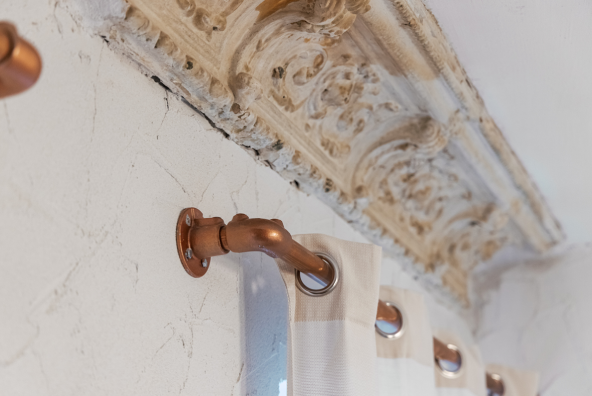
Things like restoring original fireplaces, repairing sash windows instead of replacing them and retaining cornices and ceiling roses can all help to ensure your property remain authentic and retains its period charm. When restoring aspects of your period home, you can often source authentic materials and fixtures that kit the original closely. Try looking for specialist suppliers or salvage yards too can be great.
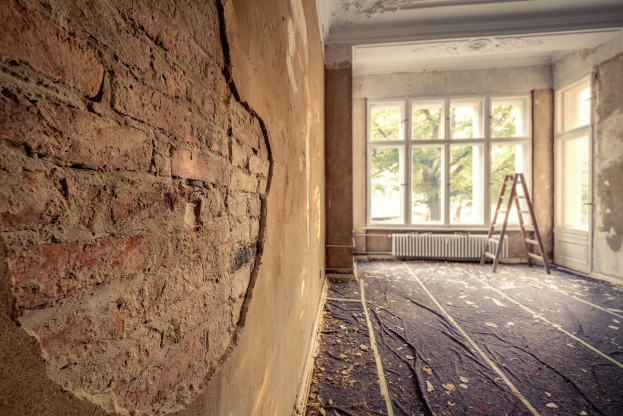
If your period property has undergone a renovation from a previous owner, the chances are they could’ve hidden or covered up many of the original existing features in an attempt to modernise the property. Stripping back more recent décor can reveal a whole host of hidden gems. Exposing these original features, such as original wooden or tiled floors hidden under carpet or beams that have been boxed in, can help to add character and value back into your period property.
Sometimes, there may be no other option but to replace, particularly if there is a risk to safety, but in this case, you could ensure you use materials that blend in and closely match. A good local period property renovation balances heritage preservation with modern comfort.
Older homes weren’t designed for modern energy standards, but upgrading insulation must be done carefully.
Avoid:
Instead, consider:
If your property has its original windows, while this may not be as warm as modern windows, they do make all the difference. If they are single glazing, you could consider adding in double glazing to increase insulation, but it’s always best to consult a company with expertise in conservation and period windows, such as Preferred Joinery.
Open-plan living is popular nowadays, but not always suitable for period homes. A lot of period properties tend to have larger rooms with higher ceilings, which creates more space than modern properties anyway, so maintaining these original rooms can help maintain a lot of the properties character and is more cost-effective than knocking through walls and everything that comes with that.
Key considerations:
At EveryTrade, projects are carefully planned to ensure structural changes enhance, not compromise, the property’s character.
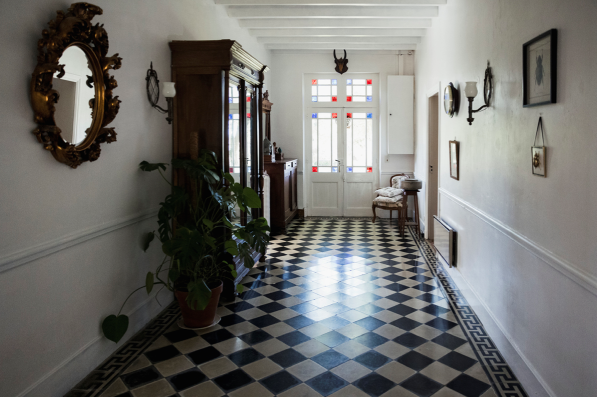
A successful local period property renovation requires multiple disciplines:
Managing all of this yourself can be complex. That’s why working with a contractor who coordinates every trade can streamline the process and reduce stress. EveryTrade was founded to solve exactly this problem, bringing all trades together under one company for a smoother renovation experience.
Even with the best planning, period renovations can uncover hidden issues. It’s easy to underestimate the cost of a renovation, especially with period properties as surprises often crop up. A good rule of thumb always set aside 10–20% contingency budget for unexpected expenses. This ensures you can handle things like structural repairs, damp treatment and material upgrades, without throwing you off plan and postponing your renovation.
Not all builders are experienced in period properties. When choosing a contractor, look for:
EveryTrade has built a reputation for delivering high-quality renovation and refurbishment projects, supported by experienced project managers and skilled tradespeople. We have worked on all kinds of properties, including many period homes. We also have a huge network of specialist subcontractors who specialise in different aspects of renovation, so we can handpick the perfect people to work on your period property renovation.
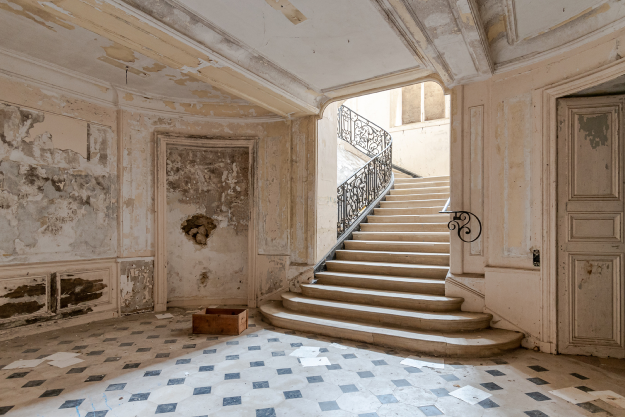
A well-executed local period property renovation can significantly increase your property’s value.
Focus on:
Cutting corners may save money upfront but can cost far more in the long run.
A successful local period property renovation is about more than just updating a home, it’s about respecting its history while preparing it for the future.
With the right planning, expert guidance, and a trusted contractor like EveryTrade, you can transform a period property into a modern, comfortable space, without losing what makes it special.
If you’re planning a local period property renovation in Manchester, Stockport or Cheshire, the team at EveryTrade can help. From design and planning through to full project delivery, we handle it all, making the process stress free for you. To find out more about our services, or to organise a quote, get in touch with our friendly team today on 0161 464 7177 or email info@tdgcontracts.com.